Winter can put even the toughest trucks to the test. Freezing temperatures, snow, ice, road salt, and changing road conditions add stress to nearly every system on a commercial truck. If you manage a fleet, preparing before cold weather arrives can help you avoid breakdowns when you can least afford them.
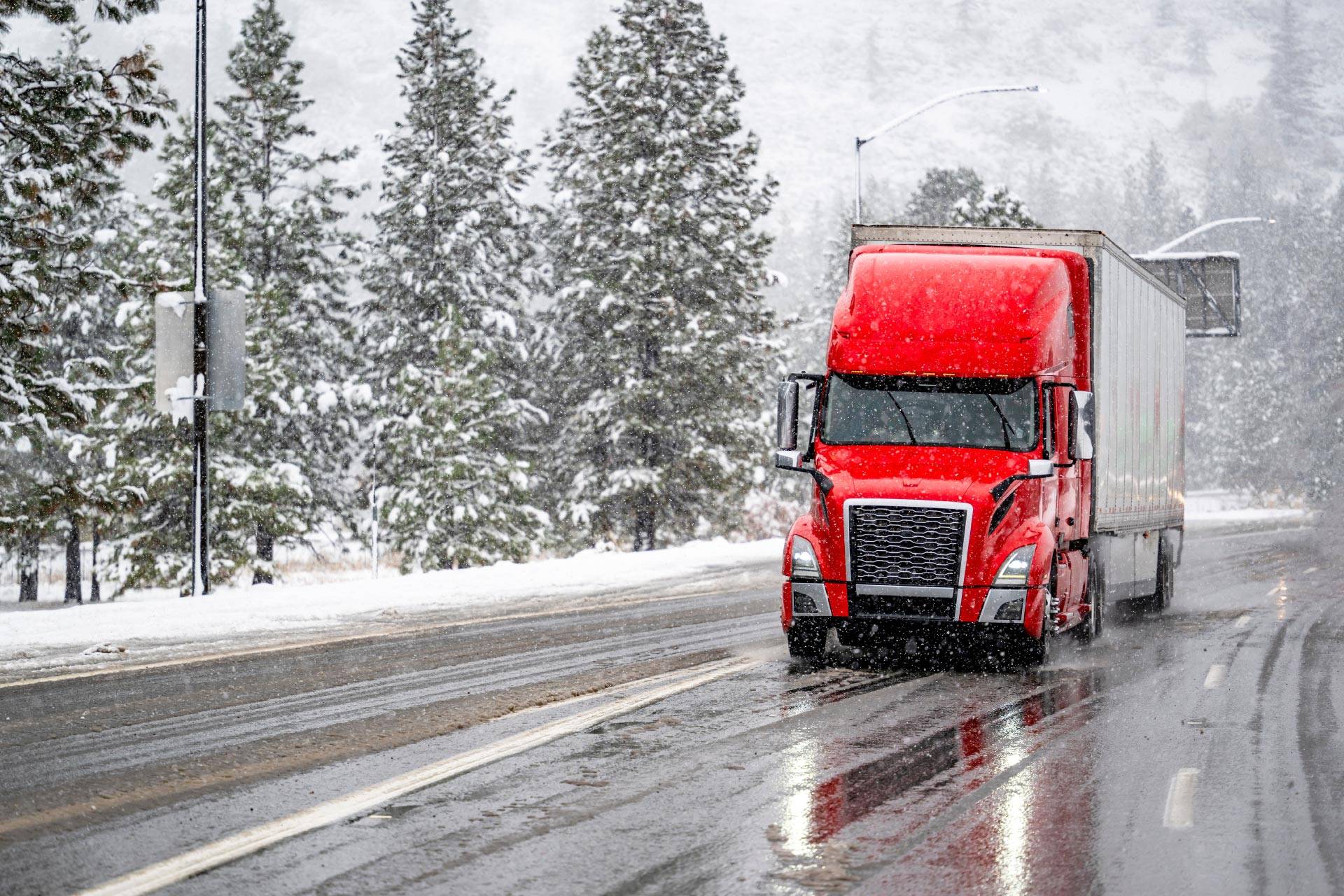
A proactive winter fleet maintenance plan helps protect your equipment, improve safety, and keep drivers on schedule. Here’s what fleet managers and owner-operators should check before temperatures drop.
Test Batteries And Electrical Systems
Cold temperatures can expose a weak battery quickly. Your trucks need dependable starting power when temperatures fall, so don’t wait for the first freezing morning to discover a problem.
Have each battery load tested and inspect:
- Battery cables and connections
- Starters and alternators
- Belts and tensioners
- Exterior lights
- Trailer electrical connections
- Charging system performance
Clean and tighten connections as needed. Catching a weak battery or damaged connection at the shop beats dealing with a truck that won’t start on the road every time.
Inspect Your Cooling System
Your cooling system works year-round, and winter creates its own challenges. Check coolant levels, antifreeze strength, hoses, clamps, and other cooling system components before cold weather settles in.
Look closely for cracked, hardened, or soft hoses and signs of leaks. Proper antifreeze protection matters when Indiana temperatures fall below freezing. A cooling system inspection can identify small problems before they turn into expensive repairs or roadside downtime.
Check The Air System
Moisture in a truck’s air system can cause trouble when temperatures drop. As part of your winter fleet maintenance, inspect and service the air dryer and check that its heater operates correctly.
Drain air tanks regularly when temperatures allow and watch for unusual moisture. Taking care of the air system before winter helps reduce the risk of frozen components and other cold-weather problems.
Don’t Forget Tires And Brakes
Snow, ice, and wet roads make traction and stopping performance even more important.
Inspect tires for proper pressure, adequate tread, damage, and uneven wear. Cold weather can affect tire pressure, so drivers should continue checking it throughout the season.
Your winter inspection should also cover:
- Brake components
- Air lines and connections
- Suspension
- Steering
- Wheel ends
- Tire condition and pressure
Addressing wear before winter helps your trucks handle challenging road conditions with greater confidence.
Prepare Drivers For Cold-Weather Visibility
Safe winter driving depends on visibility. Inspect windshield wipers and replace worn blades before snow starts falling. Check washer fluid levels and make sure the system works correctly.
Test headlights, brake lights, turn signals, and marker lights, too. Winter days bring fewer daylight hours, and snow or road spray can make visibility worse.
Don’t overlook the cab heater. Check heater controls, blower motors, and cab air filters so drivers can stay comfortable and keep windshields clear.
Schedule Preventive Maintenance Before Winter Hits
The best time to find a developing truck problem is before it causes a breakdown. Scheduling winter fleet maintenance early gives your technicians time to inspect critical systems and address repairs before severe weather arrives.
Get Your Fleet Ready For Winter With Triple LLL
Triple LLL Truck Repair provides preventive maintenance, DOT inspections, diagnostics, truck and trailer repairs, alignments, and more from our shop in Andrews, Indiana. We understand that downtime costs money, so our team works to catch problems early and keep your equipment moving.
Don’t wait for freezing temperatures to reveal a weak battery, worn tire, coolant problem, or failing component. Contact Triple LLL Truck Repair today to schedule your winter fleet maintenance service and get your trucks ready for the season ahead.
Frequently Asked Questions
When should I prepare my fleet for winter?
Start before temperatures consistently fall below freezing. Scheduling service in the fall gives you time to identify problems and complete necessary repairs before harsh winter weather arrives.
What should a winter truck inspection include?
Check batteries, electrical systems, coolant, air systems, tires, brakes, lights, windshield wipers, heating systems, belts, hoses, and other components that cold weather can affect.
Why do truck batteries struggle in cold weather?
Cold temperatures make it harder for batteries to deliver the power an engine needs to start. Testing batteries before winter can help identify weak units before they fail.
How often should truck tires get checked during winter?
Drivers should inspect tire condition and pressure regularly as part of their pre-trip inspections. Temperature changes can affect tire pressure, making ongoing checks especially important during winter.
Does Triple LLL Truck Repair service commercial fleets?
Yes. Triple LLL provides preventive maintenance and repair services for commercial trucks and trailers, including fleets, from its full-service shop in Andrews, Indiana.